

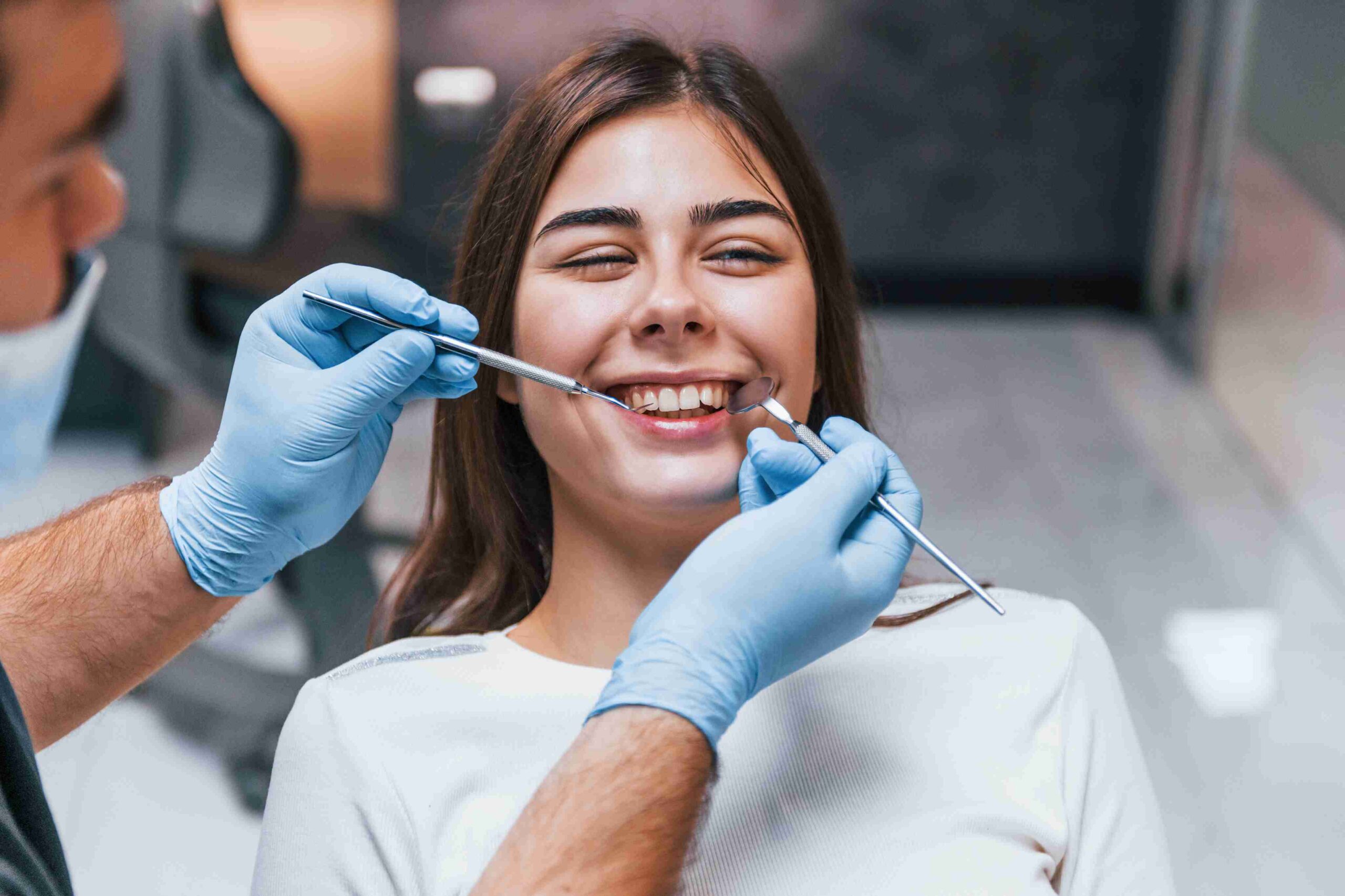
Dental Bonding Clear Lake, SD may help repair small chips, minor gaps, uneven edges, worn enamel, and some areas of discoloration on natural teeth. Bonding uses tooth-colored resin shaped directly onto the tooth, then hardened and polished. Patients in Clear Lake may consider bonding when they want a conservative cosmetic repair, but a dental exam is needed first to check bite pressure, enamel health, tooth decay, and whether bonding is the right option.
A small chip can feel much bigger than it looks. A front tooth may catch the light differently; a worn edge may feel rough to the tongue, or a tiny gap may become the first thing a patient notices in photos. For people in Clear Lake, SD, these concerns are often cosmetic, but they can also affect comfort and confidence while speaking or smiling.
Dental Bonding Clear Lake, SD can be a practical option for certain small repairs because it works directly with the visible part of the tooth. The dentist uses a tooth-colored resin to reshape, cover, or smooth the area. It is often discussed for minor chips, small spaces, worn edges, and shallow surface flaws. Before bonding is recommended, the tooth still needs to be checked for decay, cracks, bite pressure, and gum health, so the repair has a better chance of holding up.
How Dental Bonding Works on the Tooth Surface
Dental bonding uses composite resin, a tooth-colored material that can be shaped onto enamel. The dentist prepares the tooth surface, applies the resin, shapes it, hardens it with a curing light, and polishes it so it blends with the surrounding tooth.
This process is often more conservative than some other cosmetic treatments because it may require little or no removal of natural enamel, depending on the case. That can make bonding appealing for patients who want to improve a small area without changing the whole tooth.
Bonding works best when the concern is limited. A small chip, shallow defect, minor gap, or uneven edge may be a better fit than a tooth with deep decay, large fractures, or heavy bite stress. The dentist may also check whether the tooth hits strongly when biting, since excess pressure can affect how long bonding lasts.
Small Cosmetic Concerns Bonding May Help Address
Patients often ask about bonding when one tooth looks slightly different from the rest. The difference may be subtle but still noticeable in daily life.
Bonding may be considered for:
- Small chips on front teeth
- Minor gaps between teeth
- Uneven or worn tooth edges
- Small surface pits or defects
- Short-looking teeth in certain cases
- Mild shape differences between nearby teeth
- Some stains that do not respond well to whitening
A patient searching for Dental Bonding Clear Lake, SD may not need a major smile to change. They may simply want one tooth to look smoother, more balanced, or less distracting. Bonding can often support that goal when the tooth is healthy enough, and the bite does not place too much force on the repair.
Why a Dental Exam Comes Before Cosmetic Repair
It can be tempting to focus only on the visible chip or gap, but the dentist needs to understand why the concern appeared. A chipped edge may come from an accident, but it may also come from grinding, clenching, weakened enamel, or an uneven bite.
If a patient keeps breaking the same area, bonding alone may not solve the cause. The repair could chip again if bite pressure is not addressed. If decay is present, the tooth may need restorative care before cosmetic shaping. If gum inflammation is present, it may need attention so the area can be treated cleanly.
A dental exam helps connect appearance with oral health. The dentist may check the teeth, surrounding gums, nearby teeth, and how the upper and lower teeth meet. This makes the recommendation more useful than simply covering what the patient can see.
Bonding and Teeth Whitening Should Be Planned in the Right Order
Colour matching matters with dental bonding. Composite resin is selected to blend with the current tooth shade, but it does not whiten the same way natural enamel does. This is why timing can matter for patients who are also interested in Teeth Whitening Clear Lake, SD.
If a patient wants a brighter overall shade, whitening may be discussed before bonding. After the natural teeth reach a stable shade, the bonding can be matched more carefully. If bonding is placed first and whitening is done later, the natural enamel may lighten while the bonded area stays the same colour.
This does not mean every patient needs whitening before bonding. Some patients are happy with their current tooth shade and only want a chip repaired. Others may prefer to plan cosmetic care in stages. A dentist can explain how shade, stain, and existing dental work may affect the final look.
How Bonding Compares with Other Dental Options
Bonding is not the only way to improve a tooth. The right option depends on the concern, tooth health, and how much change is needed.
Whitening may be better when the main concern is general tooth colour. Veneers may be discussed when a patient wants broader changes in tooth shape, size, or shade. Crowns may be needed when the tooth has more serious structural damage. Orthodontic care may be more appropriate if spacing or alignment is the main issue.
Bonding often fits between very simple cosmetic care and more involved treatment. It may be useful for small repairs that do not require full tooth coverage. Patients should understand that bonding can stain, chip, or wear over time, especially with heavy biting forces or certain habits.
What Patients Often Like About Bonding
For the right tooth, bonding can feel like a direct and simple way to address a visible concern.
Patients may appreciate that bonding can:
- Repair small chips without changing many teeth
- Smooth rough or uneven edges
- Close tiny spaces in selected cases
- Blend with nearby tooth colour
- Support a more balanced smile line
- Often be completed without a long treatment process
- Help patients compare cosmetic options before choosing more involved care
The main benefit is targeted improvement. Bonding does not have to change the whole smile to make one visible detail feel less distracting.
What Usually Happens During the Appointment
Before bonding, the dentist may examine the tooth, ask about the concern, check the bite, and review nearby teeth and gums. Shade selection may happen before the tooth becomes dry, since dryness can temporarily change how tooth colour appears.
During the visit, the tooth surface is prepared so the resin can bond properly. The dentist applies the resin, shapes it to match the tooth, hardens it, and polishes the area. Local anesthetic may not be needed for some small cosmetic bonding cases, but each situation is different.
After the appointment, patients may be advised to avoid biting hard objects with the repaired tooth. The dentist may also explain how to clean around the area and when to return if the bonding feels rough, high, or uncomfortable.
Local Patient Review
“I had a small chip that bothered me more than I expected. The visit helped me understand why it happened and what kind of repair made sense.”
A Small Repair Can Still Deserve Careful Planning
A small chip, gap, or uneven tooth edge may not seem serious, but the best repair starts with understanding the tooth behind the concern. Bonding can be a helpful choice when the enamel is healthy, the bite is stable, and the cosmetic goal is focused.
Patients in Clear Lake who want a clear opinion on tooth shape, colour, or minor damage can talk with Beyond Dentistry, PLLC about whether bonding fits their needs or whether another option may offer better support.
Frequently Asked Questions
Can bonding fix a chipped front tooth?
Yes, bonding may repair small chips on front teeth when enough healthy enamel remains. A dentist should check the bite and tooth structure first.
Does bonding change the whole tooth?
Bonding usually changes only to the area being repaired or reshaped. It can be a conservative option when the concern is small and localized.
Will the bonded area stain over time?
Bonding can stain from coffee, tea, wine, tobacco, and dark foods. Good home care and routine dental visits may help the repair look better.
Should whitening happen before bonding?
If a patient wants a brighter shade, whitening may be discussed first. Bonding is colour-matched to the teeth and does not lighten like natural enamel.
Is bonding a good option for gaps?
Bonding may help close very small gaps in selected cases. Larger spacing or bite concerns may need orthodontic or other cosmetic planning.
Can bonding repair worn tooth edges?
It may help with mild worn edges, but the dentist should check for grinding or bite pressure. If the cause continues, the bonding may be worn or chip.
How do I care for bonded teeth?
Brush, floss, avoid biting hard objects, and keep regular exams. Patients should also mention clenching or grinding so the dentist can review bite stress.
What if my tooth has a large crack?
A large crack may need a dental crown, root canal evaluation, or another treatment instead of bonding. The right option depends on how deep the crack extends.