

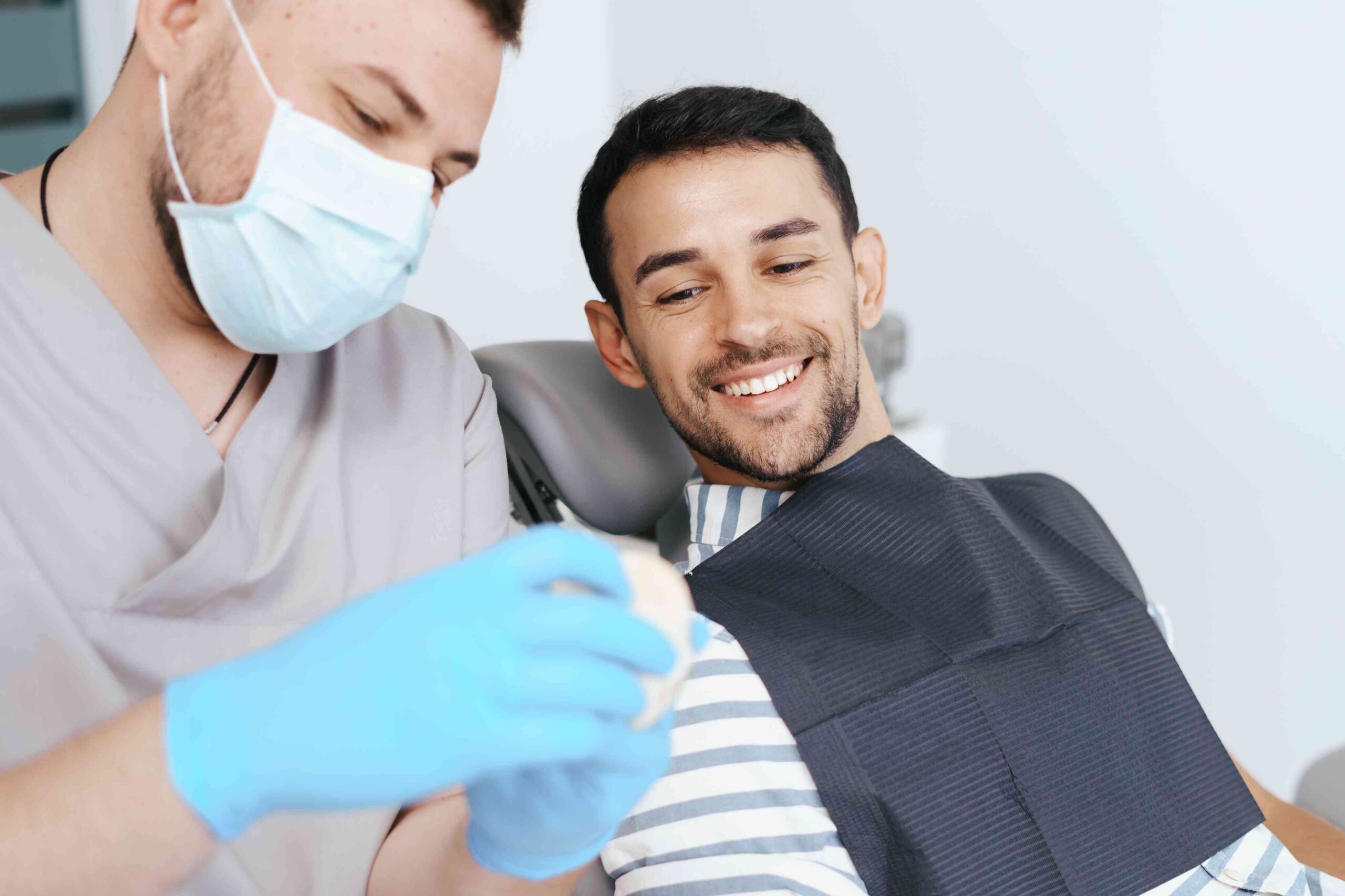
A Dentist Clear Lake, SD can help patients manage oral health through dental exams, cleanings, gum checks, cavity screening, bite review, and home care guidance. Routine visits may identify early decay, gum inflammation, tooth wear, dry mouth, sensitivity, or changes around existing dental work before symptoms become harder to manage. Clear Lake patients can use dental appointments to understand what is stable, what needs monitoring, and what treatment may be recommended after evaluation.
Dental concerns often begin with small changes. A tooth may feel sensitive with cold water; gums may bleed near one area, or floss may catch beside an older filling. These signs can be easy to set aside, but they often give a dentist a useful clue.
Patients searching for a Dentist Clear Lake, SD may want help with checkups, cleanings, gum health, sensitivity, bite wear, or prevention. A complete dental visit can help connect what patients notice at home with what is happening in the mouth.
For Clear Lake patients, routine dental care is not only about cleaning teeth. It can help track teeth, gums, restorations, bite pressure, and daily habits, so oral health decisions are easier to understand.
Why Complete Dental Visits Matter
The mouth works as a connected system. Teeth, gums, saliva, bite pressure, restorations, and home care habits all affect one another.
A sensitive tooth may be linked to gum recession, enamel wear, decay, crack, or clenching. Gum bleeding may come from plaque, tartar, brushing changes, or a hard-to-clean spot.
A complete visit helps the dentist look at the whole picture. This can reduce guessing and help patients know whether a concern needs treatment, monitoring, or a change in daily care.
What Dentist Clear Lake SD Visits May Include
A Dentist at Clear Lake, SD appointment may begin with a review of symptoms, health history, medications, past dental treatment, and home care habits. Patients should mention dry mouth, sensitivity, bleeding gums, jaw soreness, food trapping, or rough dental work.
The dentist may examine the teeth, gums, tongue, cheeks, jaw movement, bite, and restorations such as fillings, crowns, bridges, implants, or dentures. X-rays may be recommended when hidden areas need to be reviewed.
After the visit, patients should understand the findings in plain language. Some may need routine prevention only, while others may need gum care, filling, crown evaluation, bite monitoring, or another treatment based on diagnosis.
Cleanings Help Remove What Brushing Misses
Daily brushing and flossing remove plaque, but some areas are difficult to clean well. Plaque that stays on teeth can harden into tartar.
Tartar cannot be removed with a regular toothbrush. Professional cleanings remove buildup around the teeth and near the gumline, where irritation often begins.
A teeth cleaning Clear Lake SD visit can also show where plaque returns most often. That feedback can help patients improve brushing angle, flossing technique, or cleaning tools at home.
Gum Health Can Shift Without Pain
Gum problems do not always hurt early. Bleeding, puffiness, tenderness, recession, or deeper gum pockets may suggest inflammation or gum disease risk.
Gum measurements help track support around each tooth. These numbers can be compared over time to see whether the gums are stable or changing.
Clear Lake patients should mention bleeding even if it happens only occasionally. A single bleeding area may point to tartar, trapped food, or a spot that needs closer cleaning.
Cavities May Start Quietly
Cavities can begin without strong pain. Decay may form between teeth, in grooves, near the gumline, or around older fillings.
Some patients notice cold sensitivity, sweet sensitivity, food catching, or a dark spot. Others feel nothing until the cavity grows deeper.
A dentist may use an exam and X-rays when needed to decide whether an area needs treatment or monitoring. Early review can help patients understand choices before pain becomes the main signal.
Sensitivity Needs a Clear Cause
Tooth sensitivity can happen for several reasons. Gum recession, enamel wear, cavities, cracks, clenching, whitening products, or bite concerns may all play a role.
The pattern matters. A quick cold feeling may mean something different from pain that lingers after heat. Pain when biting may point to a crack, gum issue, or bite pressure.
Patients should describe what triggers the sensitivity, where it happens, and how long it lasts. These details help guide the exam and avoid treating the wrong problem.
Bite Pressure and Tooth Wear
The way teeth meet can affect comfort and long-term oral health. Grinding, clenching, missing teeth, uneven contacts, and worn restorations may place extra force on certain teeth.
Signs may include flattened enamel, small chips, jaw tightness, morning soreness, or teeth that feel tired. Some patients do not notice tooth wear until they are seen during an exam.
A bite review can help identify areas under extra stress. Depending on the findings, the dentist may recommend monitoring, repair, or protective options when appropriate.
Existing Dental Work Needs Regular Checks
Fillings, crowns, bridges, bonding, dental implants, and dentures can change over time. A filling may chip, a crown edge may collect plaque, or a bridge may become harder to clean around.
Patients may notice floss shredding, food trapping, rough edges, or a change in bite. Sometimes the dentist sees a concern before it causes discomfort.
Routine checks can help determine whether dental work is stable, needs repair, or should be monitored. This gives patients clearer choices and more time to plan.
Home Care Should Fit the Patient
Preventive care works best when advice matches the mouth. A person with tight spaces may need different tools than someone with gum recession, crowns, bridges, or implants.
The dental team may suggest floss, small brushes, floss threaders, water flosser, fluoride toothpaste, or changes in brushing technique. Tool choice depends on what the exam shows.
Clear Lake patients should ask which areas collect plaque most often. Specific guidance is easier to use than a general reminder to brush better.
What Patients May Value from Complete Visits
Routine dental care can help patients understand small changes before they become larger concerns.
Patients may value:
- Professional plaque and tartar removal
- Gum health tracking
- Cavity screening
- Sensitivity evaluation
- Bite and tooth wear review
- Checks around older dental work
- Home care tips for specific areas
- Clear follow-up planning
- These benefits depend on each patient’s oral health, daily habits, and risk factors.
What to Expect Before During and After
Before the appointment, patients can think about changes since the last visit. Bleeding, sensitivity, dry mouth, jaw soreness, food trapping, or rough dental work should be shared.
During the visit, the dental team may complete a cleaning, exam, gum measurements, oral tissue check, bite review, and X-rays when needed. The dentist may explain findings in simple terms.
After the visit, patients should know whether they need routine care, monitoring, home care changes, or treatment. A clear plan helps make dental decisions easier.
Local Patient Review
“I mentioned one spot that kept catching floss, even though nothing hurt. The visit helped explain why it was happening and what needed watching.”
A Clearer Way to Follow Oral Health
Complete dental visits help Clear Lake patients understand small symptoms, gum changes, bite pressure, and existing dental work before concerns become harder to manage. Exams and cleanings can support long-term oral health when paired with steady home care. Through Beyond Dentistry, PLLC, patients can receive guidance based on current findings and personal prevention needs.
Frequently Asked Questions
How often should I visit a dentist in Clear Lake?
Your schedule depends on cavity risk, gum health, medical history, and existing dental work. The dentist can recommend timing after an exam.
Why do my gums bleed only sometimes?
Bleeding may come from plaque, tartar, brushing technique, or gum inflammation. It should be checked if it keeps happening in the same area.
Can a Dentist Clear Lake, SD check old fillings?
Yes, old fillings can be checked for cracks, rough edges, decay, food trapping, and bite pressure during a routine visit.
Do I need X-rays every time?
Not always. X-rays are recommended based on symptoms, risk level, dental history, and what the dentist needs to evaluate.
Why does one tooth feel sensitive to cold?
Cold sensitivity may come from gum recession, enamel wear, decay, cracks, or bite pressure. A dental exam can help identify the cause.
Can a dry mouth affect my teeth?
Yes, dry mouths can raise cavity risk because saliva helps protect the enamel. Medication changes and dry mouth symptoms should be discussed.
What should I ask during a checkup?
Ask where plaque collects, whether gums are stable, and if any teeth or restorations need monitoring.
Are cleaning still needed if I brush well?
Yes, Tartar can still build up in hard-to-reach areas. Professional cleanings remove buildup that brushes cannot.