

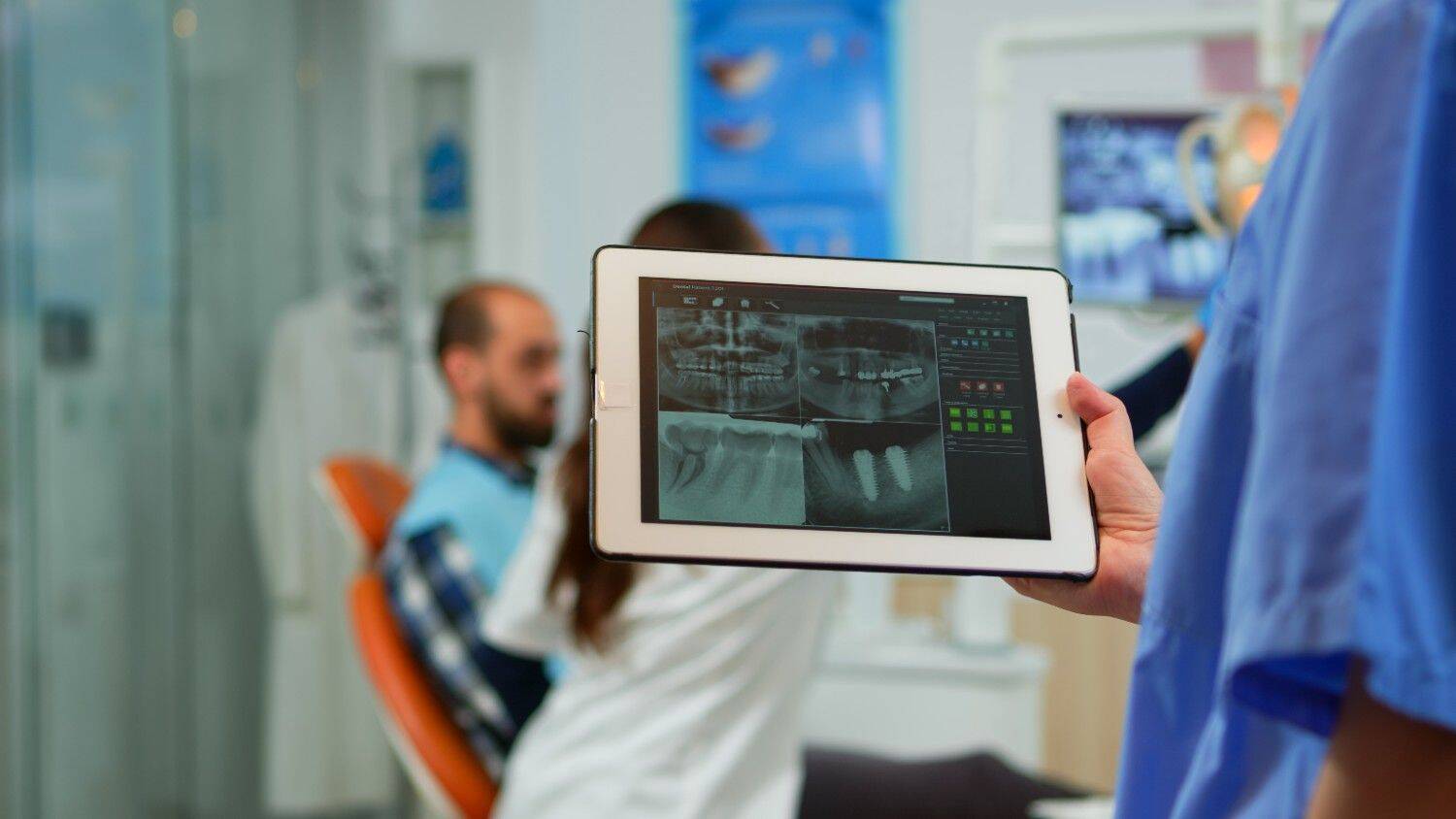
Good dental health is not only essential for a beautiful smile and overall well-being, but it also plays a significant role in the quality of your sleep. Many people in Watertown may not realize that dental issues such as sleep apnea, bruxism (teeth grinding), or even misaligned teeth can lead to poor sleep quality and sleep disturbances.
At Beyond Dentistry, PLLC in Watertown, we understand the connection between oral health and sleep. In this guide, we’ll explore how dental health problems can affect your sleep, what common conditions to watch out for, and the steps you can take to improve both your dental health and sleep quality.
How Dental Health Affects Your Sleep
Oral health is more interconnected with sleep than you might think. Problems like sleep apnea, bruxism, and even crooked teeth can directly interfere with your ability to get a restful night’s sleep. If you’re experiencing chronic fatigue, waking up feeling unrested, or dealing with headaches, your dental health could be a contributing factor.
Let’s take a closer look at the key dental conditions that may be affecting your sleep:
1. Sleep Apnea: The Silent Sleep Disruptor
One of the most common dental-related sleep issues is sleep apnea, a condition where your breathing is repeatedly interrupted during sleep. Obstructive sleep apnea (OSA) occurs when the muscles in the back of your throat relax too much during sleep, causing a temporary blockage in your airway. This can lead to loud snoring, gasping, choking, and frequent wake-ups throughout the night.
Although sleep apnea is often associated with larger medical conditions like obesity or cardiovascular issues, dental problems such as misaligned teeth or an overbite can increase your risk of developing sleep apnea. Fortunately, dentists in Watertown, SD can help diagnose and treat sleep apnea with options like oral appliances or CPAP therapy, which can improve your airflow and reduce sleep disruptions.
Symptoms of Sleep Apnea Include:
- Loud snoring or gasping for air during sleep
- Morning headaches or feeling fatigued
- Dry mouth upon waking
- Excessive daytime sleepiness
If you’re experiencing these symptoms, consult with your dentist to discuss treatment options that could help improve your sleep.
2. Bruxism (Teeth Grinding) and Its Impact on Sleep
Another dental issue that can negatively affect your sleep is bruxism, or teeth grinding. Many people grind their teeth during the night without even realizing it. This can lead to tooth wear, jaw pain, headaches, and neck stiffness. Over time, bruxism can also contribute to dental damage, such as chipped or cracked teeth, if left untreated.
Teeth grinding is often linked to stress, anxiety, or even sleep apnea, as some people clench their teeth while trying to open their airway during sleep. For those with bruxism, using a custom night guard is often recommended. These oral appliances help prevent damage to your teeth and jaw, allowing for a more restful night of sleep.
Signs of Bruxism Include:
- Waking up with a sore jaw or aching teeth
- Chronic headaches, especially in the morning
- Visible tooth damage, such as flattened or worn-down teeth
If you’re experiencing any of these symptoms, it’s important to consult with a Watertown dentist to get a custom night guard and avoid further complications.
3. Crooked Teeth and Malocclusion (Misaligned Bite)
Another dental issue that can affect your sleep is malocclusion, or a misaligned bite. When your teeth don’t fit together properly, it can cause discomfort and difficulty when chewing or speaking. But malocclusion can also affect your ability to sleep comfortably. If your bite is out of alignment, it can lead to jaw pain, TMJ disorders, and disrupted sleep.
For patients with misaligned teeth, braces or Invisalign clear aligners can help correct the bite and reduce the associated symptoms. A properly aligned bite can help alleviate pressure on the jaw, reduce TMJ pain, and improve your overall comfort during sleep.
Symptoms of Malocclusion Include:
- Jaw pain or soreness, especially when chewing
- Frequent headaches or tension in the neck
- Clicking or popping sounds when opening or closing the mouth
If you experience any of these symptoms, your dentist can evaluate your bite and recommend treatment to help you sleep better.
4. TMJ Disorders and Sleep Disruptions
The temporomandibular joint (TMJ) connects your jaw to your skull and allows you to move your jaw when eating, speaking, and breathing. TMJ disorders can occur when the joint becomes inflamed or misaligned, causing pain, stiffness, and difficulty moving the jaw.
TMJ disorders are often linked to bruxism, jaw misalignment, or stress, and they can lead to sleep disturbances due to pain or difficulty finding a comfortable sleeping position. For those suffering from TMJ disorders, your dentist may recommend a custom night guard, physical therapy, or other treatments to help alleviate pain and improve your sleep.
Symptoms of TMJ Disorders Include:
- Pain or tenderness in the jaw, face, or neck
- Clicking or popping sounds when moving the jaw
- Difficulty opening or closing the mouth
- Ear pain or a feeling of fullness in the ears
If you suspect you have a TMJ disorder, your dentist can recommend the best course of treatment to reduce discomfort and improve your sleep.
How to Improve Your Sleep and Dental Health
If you suspect that dental health issues are affecting your sleep, here are a few steps you can take to improve both:
1. Visit Your Dentist Regularly
Regular check-ups and cleanings are essential for maintaining your dental health. Your dentist can identify any issues related to sleep apnea, bruxism, or TMJ disorders early on and recommend appropriate treatments.
2. Consider Oral Appliances
For patients with sleep apnea or bruxism, oral appliances like CPAP machines or night guards can be highly effective in managing symptoms and improving sleep quality. Your dentist can help determine which appliance is best for your needs.
3. Practice Stress Management
Since stress and anxiety can contribute to bruxism and TMJ disorders, practicing relaxation techniques such as yoga, meditation, or deep breathing exercises can help reduce anxiety and improve your sleep.
4. Invest in Orthodontic Treatment
If your bite or tooth alignment is contributing to sleep issues, orthodontic treatments like Invisalign or braces can help realign your teeth and jaw, improving both your dental health and sleep quality.
Local Patient Review
“I didn’t realize that my chronic headaches and jaw pain were caused by bruxism and TMJ problems until I visited Beyond Dentistry. They gave me a custom night guard, and it has made a huge difference in my sleep. I feel much more rested and pain-free now. Thank you for everything!”
FAQs About Dental Health and Sleep
Can sleep apnea be caused by dental problems?
Yes, dental issues such as misaligned teeth or jaw abnormalities can contribute to or worsen sleep apnea. Treating these underlying dental problems can help improve sleep apnea symptoms.
Is teeth grinding the same as bruxism?
Yes, bruxism is the clinical term for teeth grinding. It often occurs during sleep and can lead to tooth wear, jaw pain, and headaches.
How can I treat TMJ disorders?
TMJ disorders can often be managed with a night guard, physical therapy, or in some cases, orthodontic treatment to correct misalignment. Your dentist will recommend the most appropriate treatment based on your condition.
Your Next Step to Better Sleep and Dental Health
If you’re experiencing sleep issues that you think may be related to your dental health, don’t wait to get the help you need. At Beyond Dentistry, PLLC in Watertown, we can assess your oral health, provide solutions for bruxism, sleep apnea, and TMJ disorders, and help you get the restful sleep you deserve. Contact us today to schedule a consultation and take the first step toward improving both your dental health and your sleep quality!